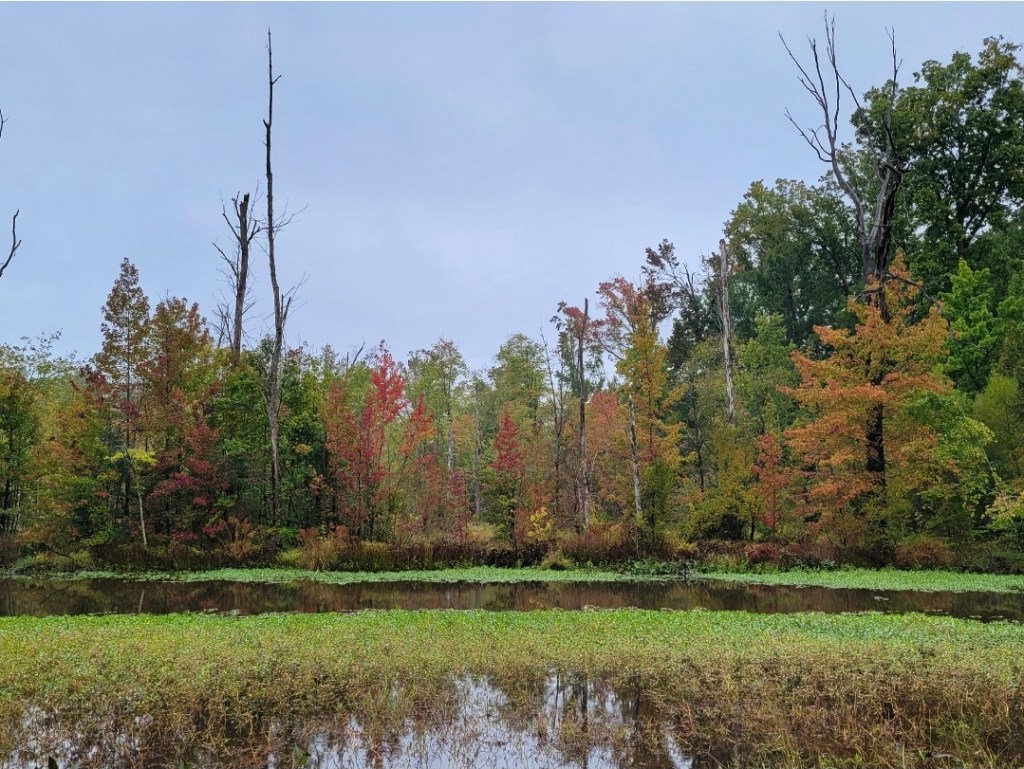
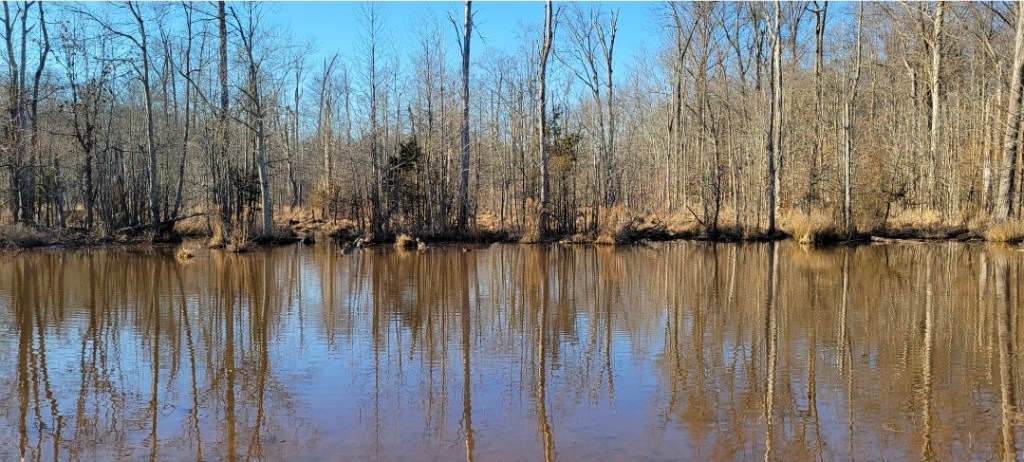
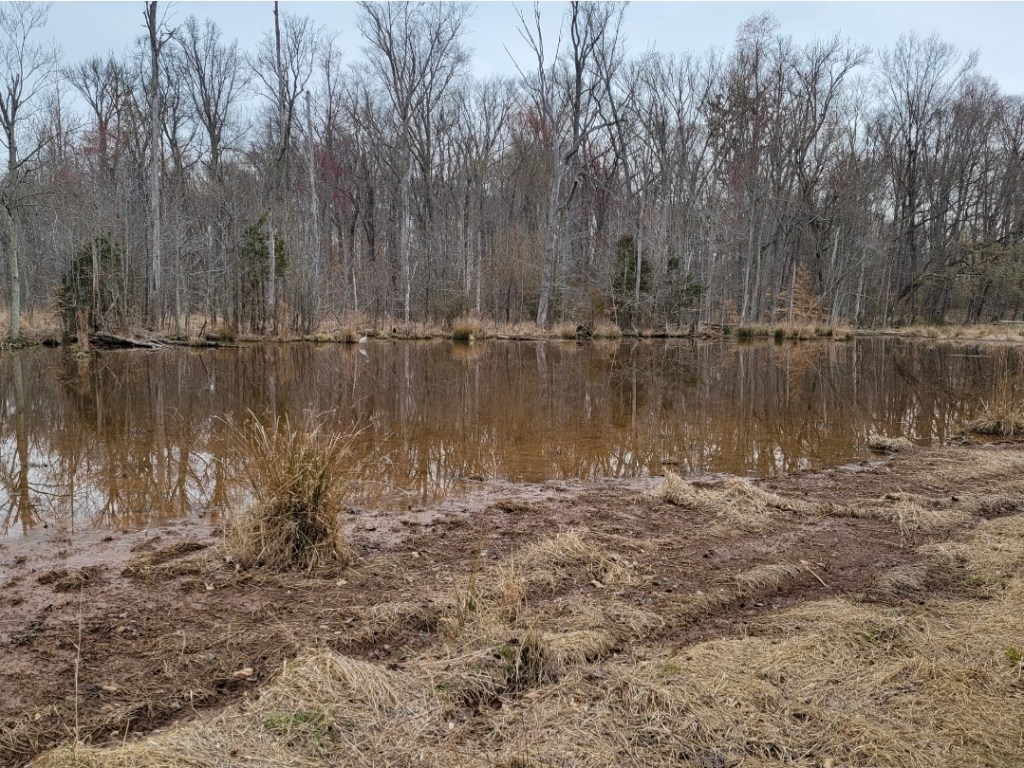
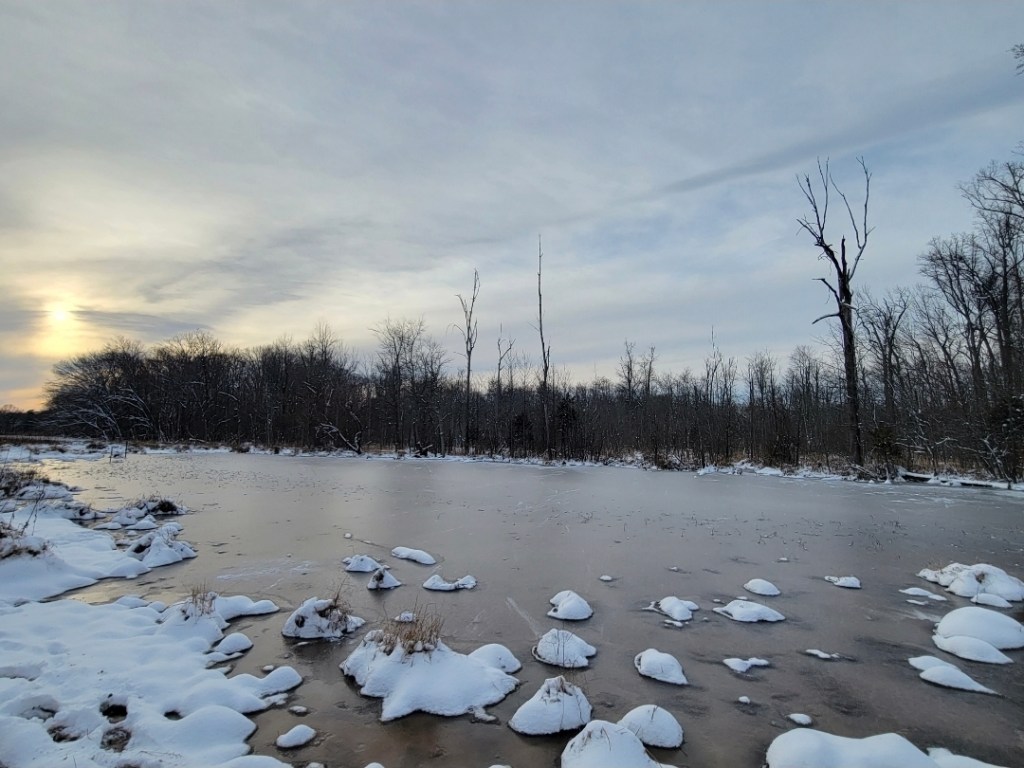
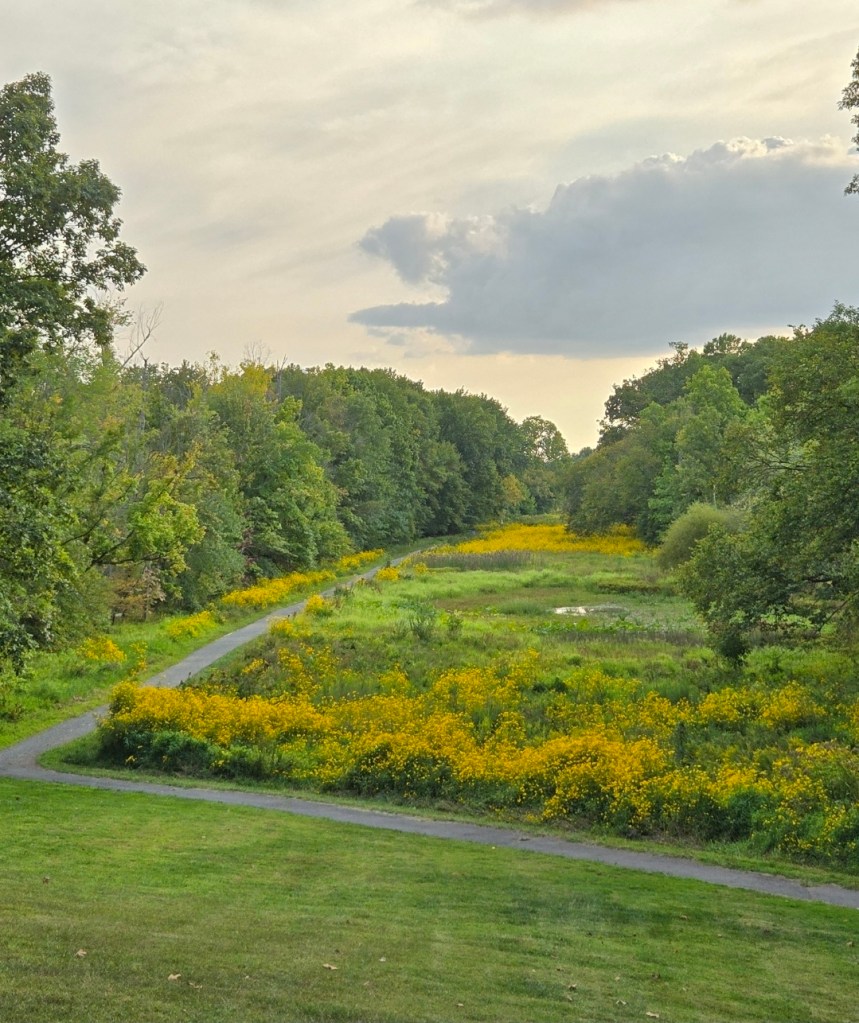
The Fairfax County Park Authority’s effort to control invasive lotus plants at Cub Run Stream Valley Park is already showing clear benefits for local wildlife.
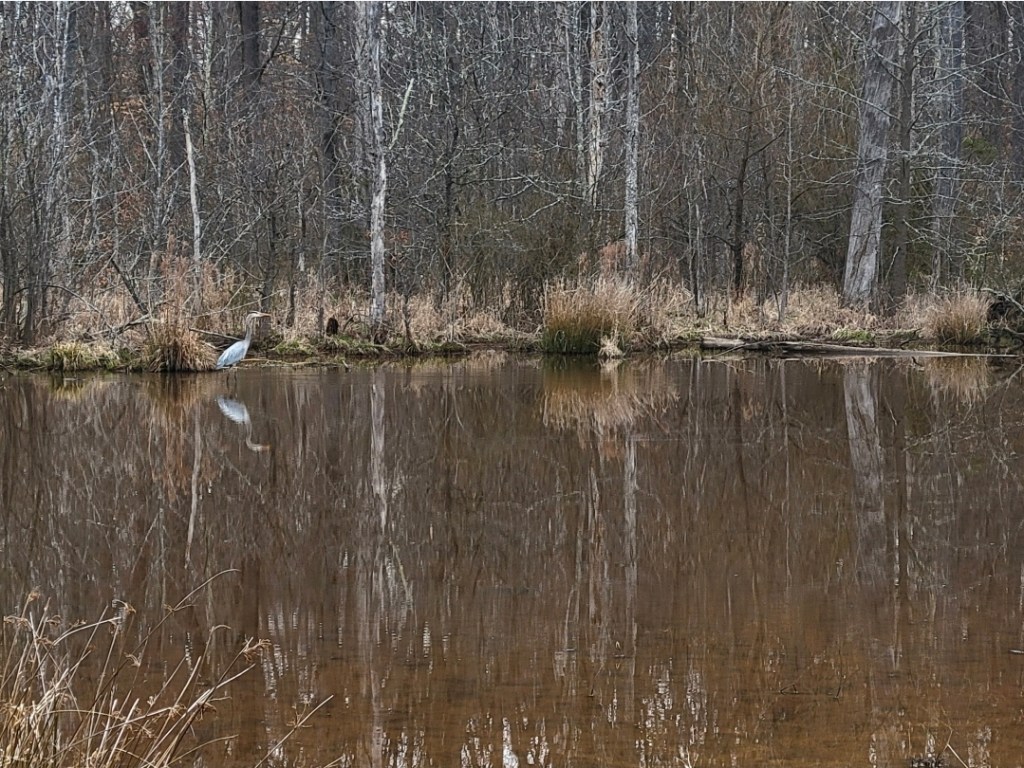
For more than 15 years, the wetland supported a steady community of wading birds. A resident pair of green herons nested there each year and successfully raised young. Great blue herons were regular visitors, and migrating solitary and spotted sandpipers often used the area as a seasonal stopover. Yellow-crowned night herons also visited from time to time.
In 2021, a breeding pair of yellow-crowned night herons nested in a tree beside the wetland’s open pond and raised four chicks. The young birds spent the summer learning to hunt before migrating south.
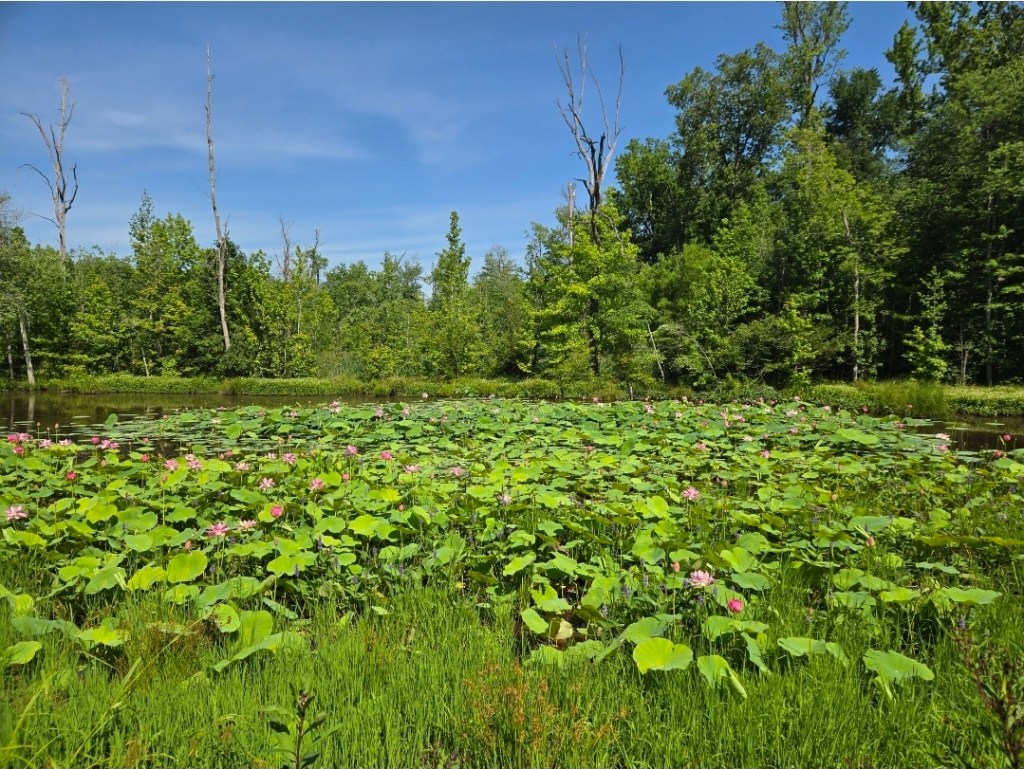
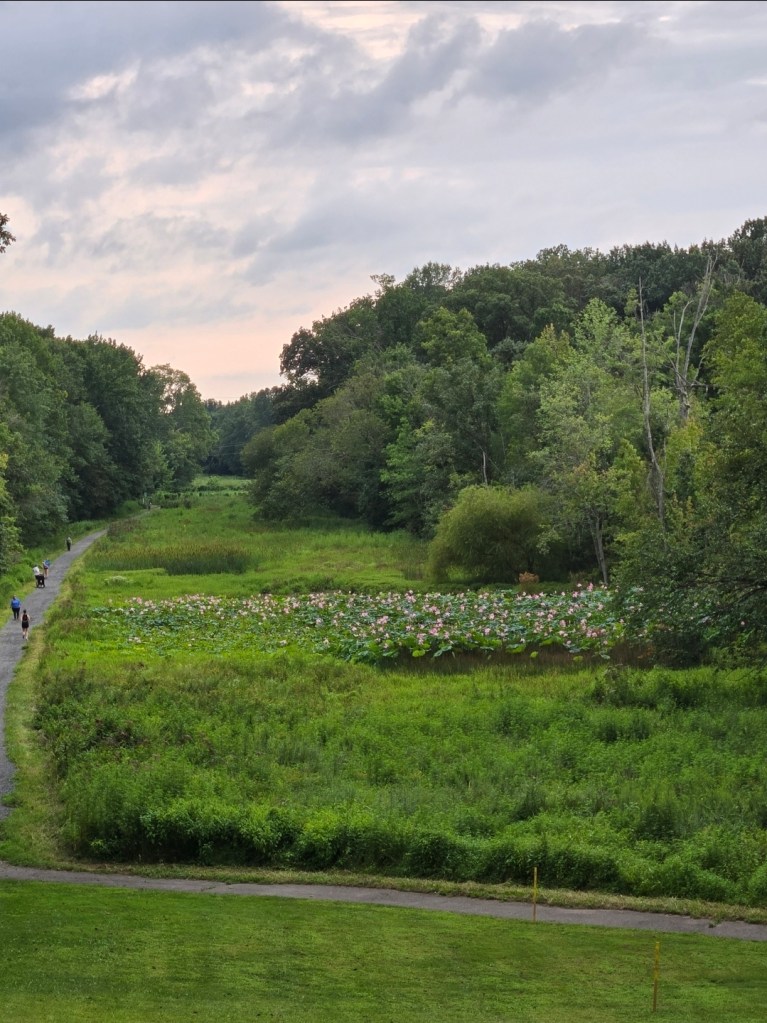
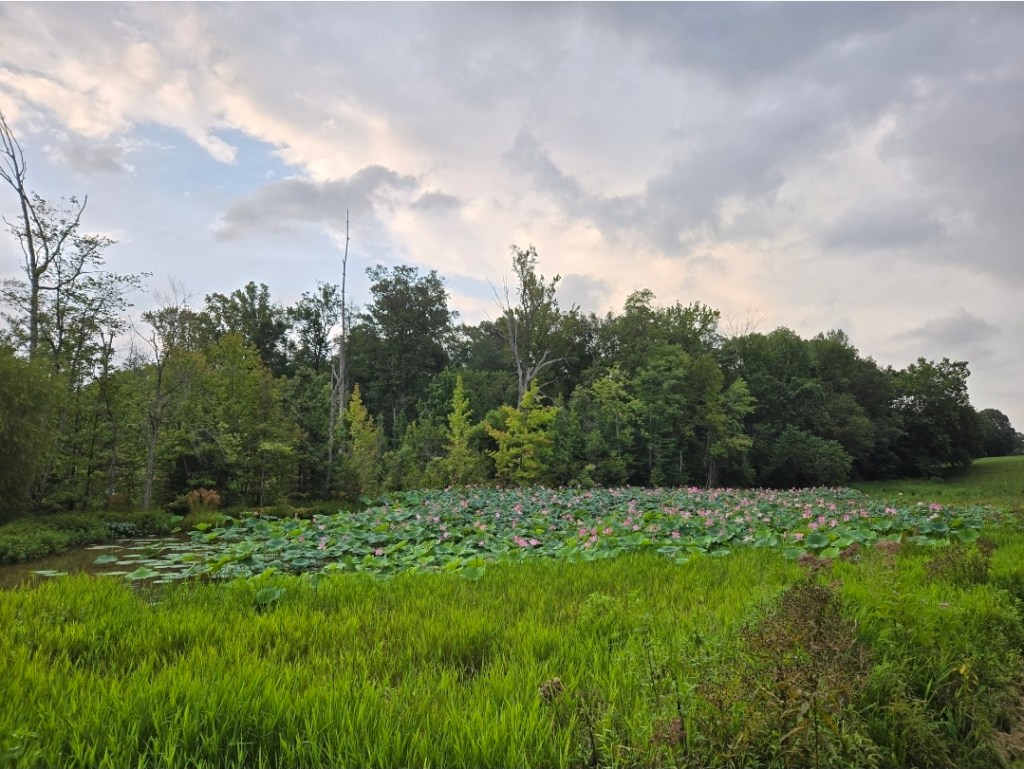
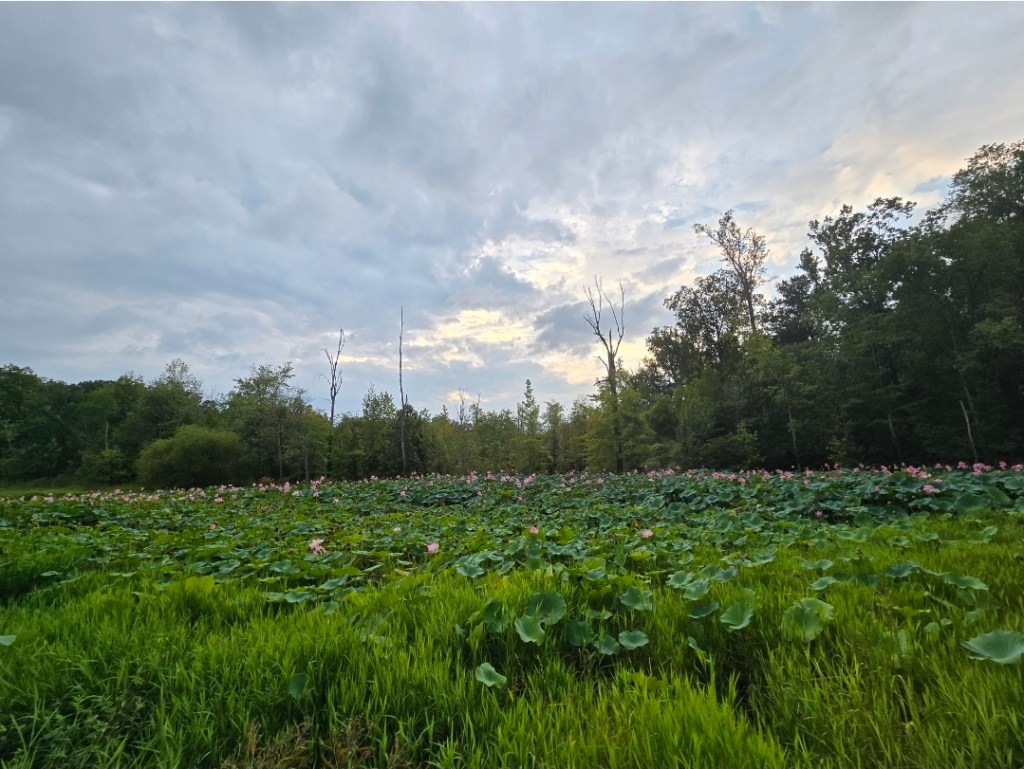
Recently, non-native lotus plants (Nelumbo nucifera) began to cover much of the open water, and wading bird activity declined. Low, scattered plants can help wading birds by shading the water and providing cover, but dense lotus leaves appeared to limit how birds could move and feed.
At the same time, red-winged blackbirds shifted from nesting in cattails near open water to nesting within the lotus stands in the center of the bog. During the past two seasons, territorial red-winged blackbirds actively chased away wading birds trying to land while they had chicks in the nest.
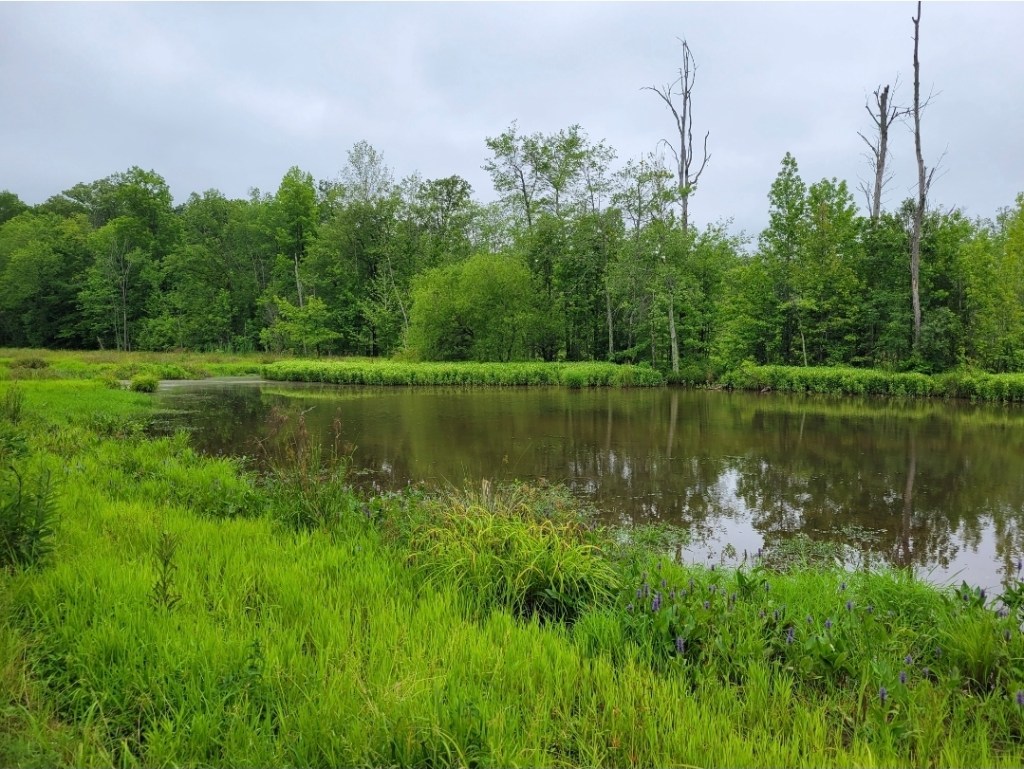
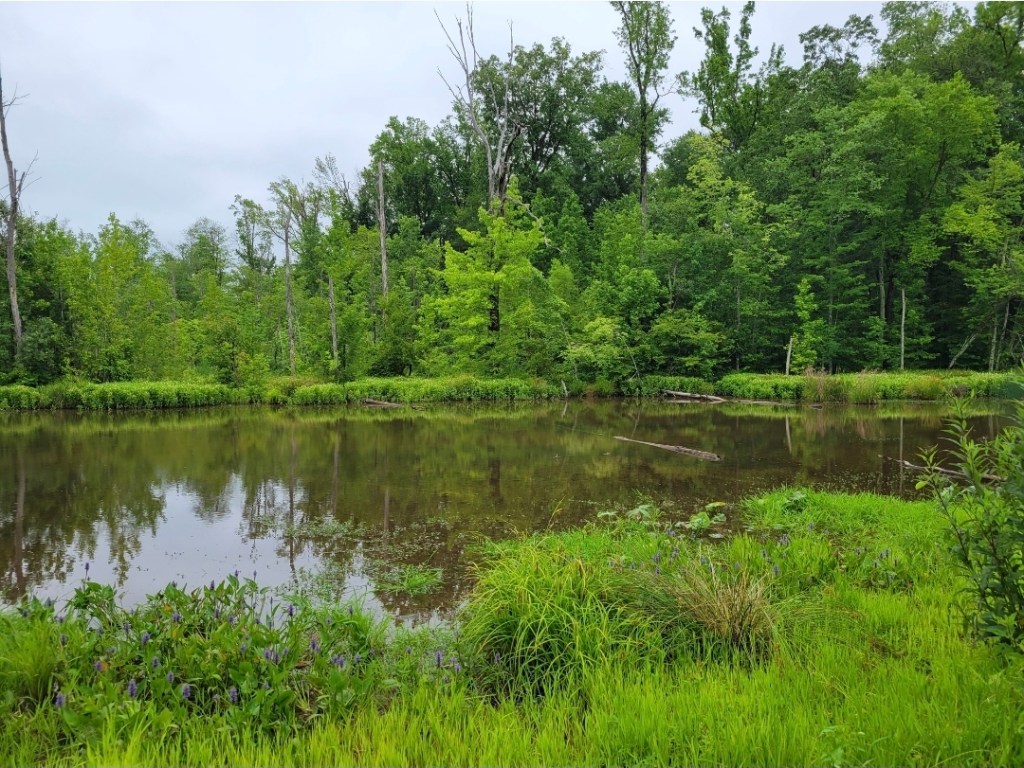
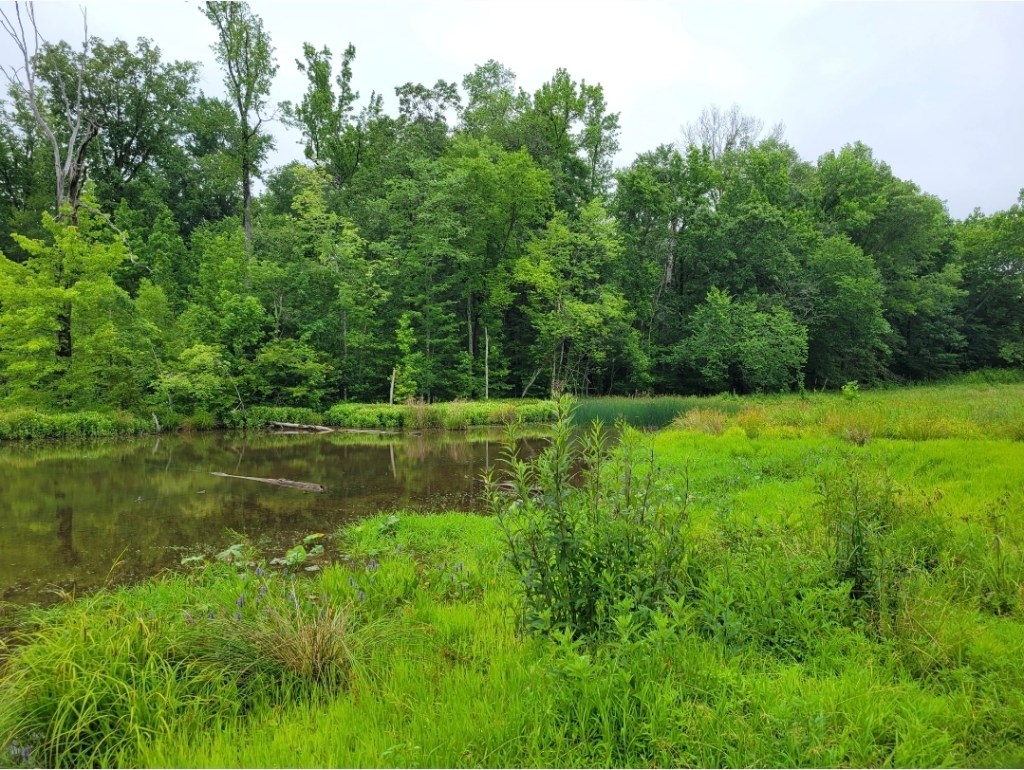
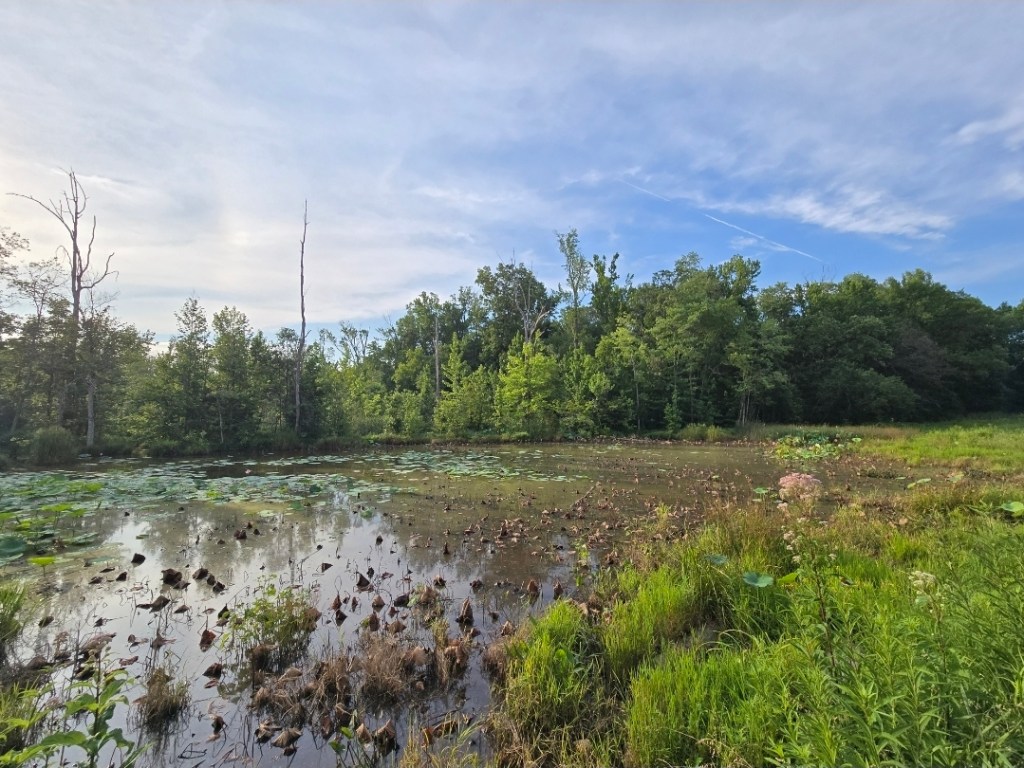
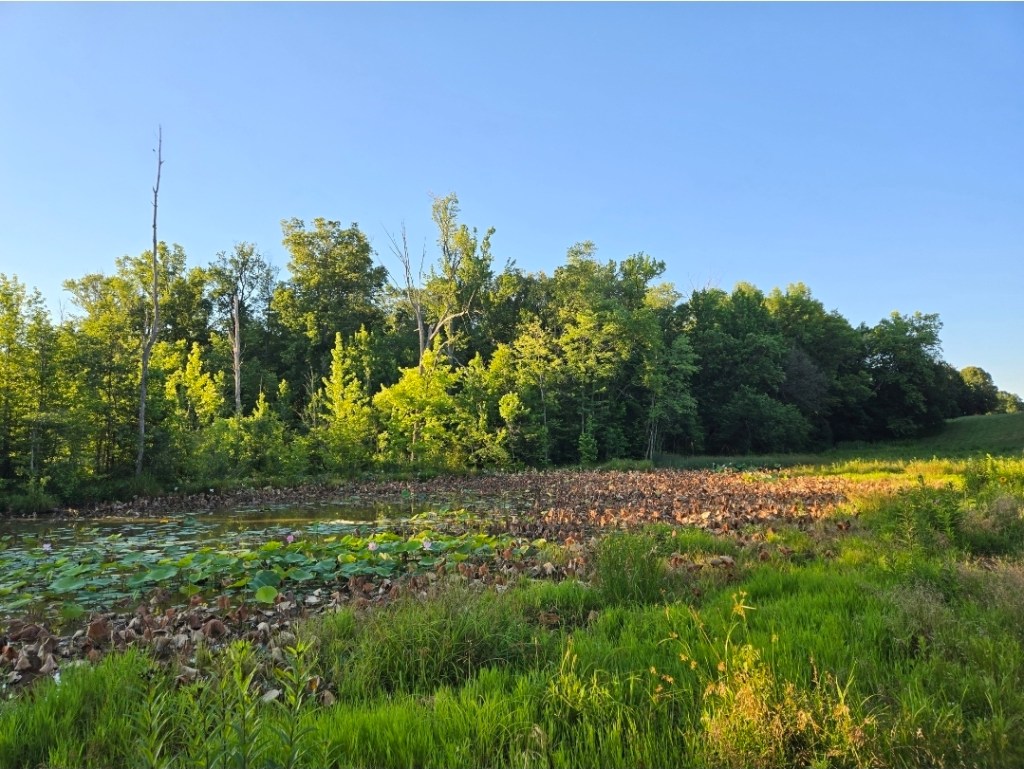
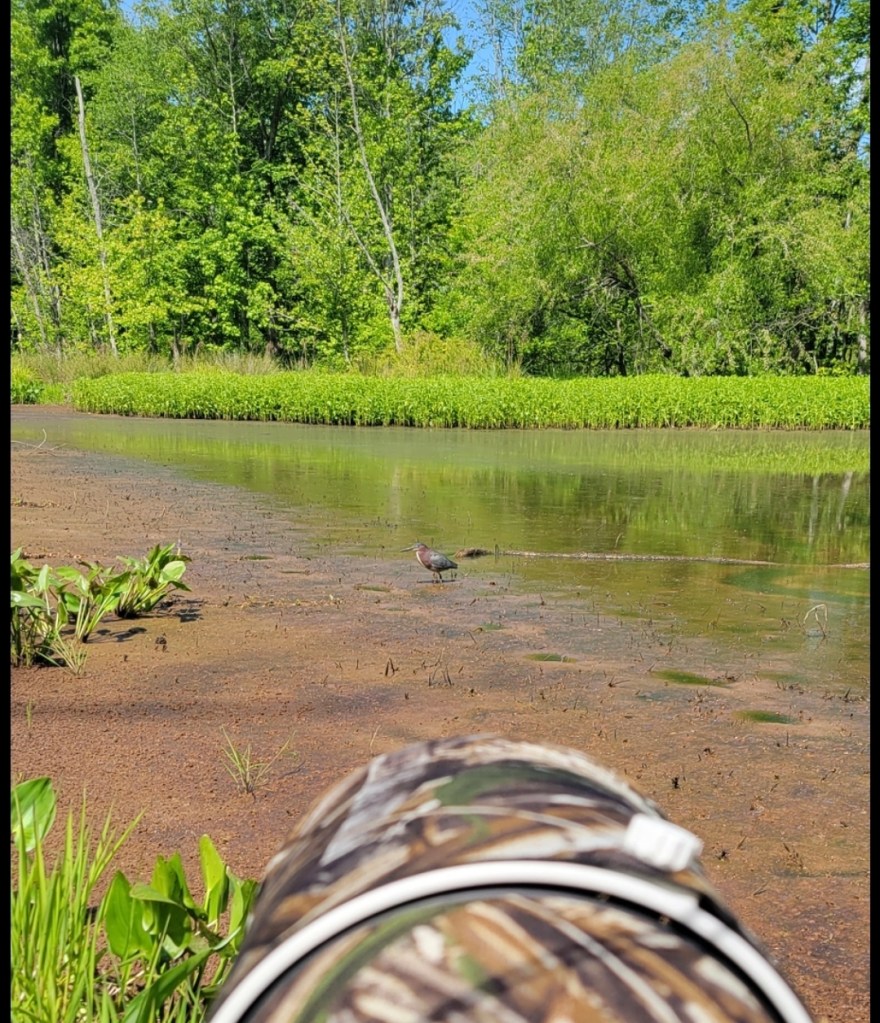
After targeted removal of lotus, large areas of open water have reopened, and wildlife has responded quickly. The familiar green heron breeding pair has returned to the wetland pool after spending recent seasons at nearby stormwater ponds. Great blue herons have been seen multiple times, and both an adult and a juvenile yellow-crowned night heron are using the wetland again.
Snapping turtles can once again move freely throughout the pond, instead of being limited to small pockets of open water. Many other species, including foxes, deer and beavers, appear to be using the area much as they did in past years, suggesting that normal habitat patterns are returning.
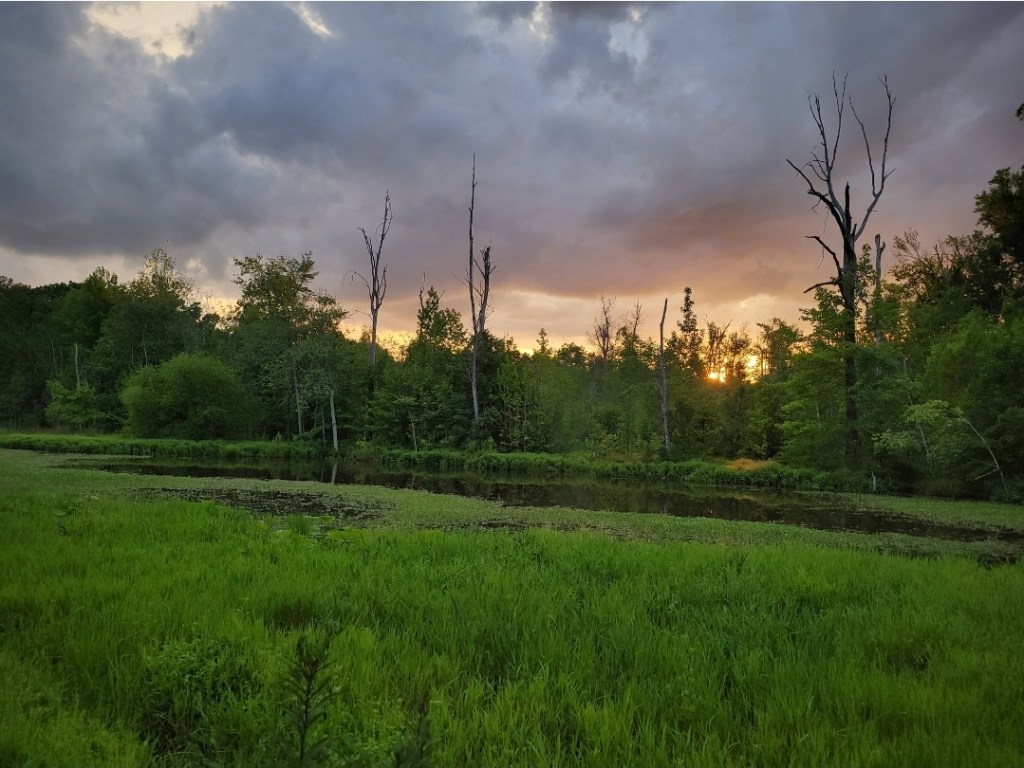
The Cub Run wetland pond restoration shows how focused invasive plant management can help restore wildland habitat, reopen access to feeding areas and support a wide variety of wildlife. The Fairfax County Park Authority appreciates the ongoing observations and stewardship of community members who spend time in the park and share what they see as these habitats recover.
Photos and story courtesy of Michaele Fahey.