Author Archives: Fairfax County Park Authority

About Fairfax County Park Authority

About Fairfax County Park Authority HISTORY: On December 6, 1950, the Fairfax County Board of Supervisors created the Fairfax County Park Authority. The Park Authority was authorized to make decisions concerning land acquisition, park development and operations in Fairfax County, Virginia. To date, 13 park bond referenda have been approved between 1959 and 2016. Today, the Park Authority has 427 parks on more than 23,000 acres of land. We offer 325 miles of trails, our most popular amenity. FACILITIES: The Park system is the primary public mechanism in Fairfax County for the preservation of environmentally sensitive land and resources, areas of historic significance and the provision of recreational facilities and services including: • Nine indoor Rec Centers with swimming pools, fitness rooms, gyms and class spaces. Cub Run features an indoor water park and on-site naturalist • Eight golf courses from par-3 to championship level, four driving ranges including the new state-of-the-art heated, covered range at Burke Lake Golf Center • Five nature and visitor centers. Also nine Off-Leash Dog Activity areas • Three lakefront parks including Lake Fairfax, Lake Accotink and Burke Lake, with campgrounds at Burke Lake and Lake Fairfax. The Water Mine Family Swimmin’ Hole at Lake Fairfax, Our Special Harbor Sprayground at Franconia as well as an indoor water park at Cub Run Rec Center • Clemyjontri Park, a fully accessible playground in Great Falls featuring two acres of family friendly fun and a carousel, as well as Chessie’s Big Backyard and a carousel at the Family Recreation Area at Franconia Park • An ice skating rink at Mount Vernon Rec Center and the Skate Park in Wakefield Park adjacent to Audrey Moore Rec Center • Kidwell Farm, a working farm of the 1930s-era at Frying Pan Farm Park in Herndon, now with historic carousel • Eight distinctive historic properties available for rent • A working grist mill at Colvin Run in Great Falls and a restored 18th century home at Sully Historic Site in Chantilly • A horticulture center at Green Spring Gardens in Annandale • Natural and cultural resources protected by the Natural Resource Management Plan and Cultural Resource Plans, plus an Invasive Management Area program that targets alien plants and utilizes volunteers in restoring native vegetation throughout our community • Picnic shelters, tennis courts, miniature golf courses, disc golf courses, off-leash dog parks, amphitheaters, a marina, kayaking/canoeing center • Provides 263 athletic fields, including 39 synthetic turf fields, and manages athletic field maintenance services at 417 school athletic fields. PARK AUTHORITY BOARD: A 12-member citizen board, appointed by the Fairfax County Board of Supervisors, sets policies and priorities for the Fairfax County Park Authority. Visit https://www.fairfaxcounty.gov/news2/social-hub/ for Fairfax County Government's Comment Policy.

Historic Tree Removed at Frying Pan

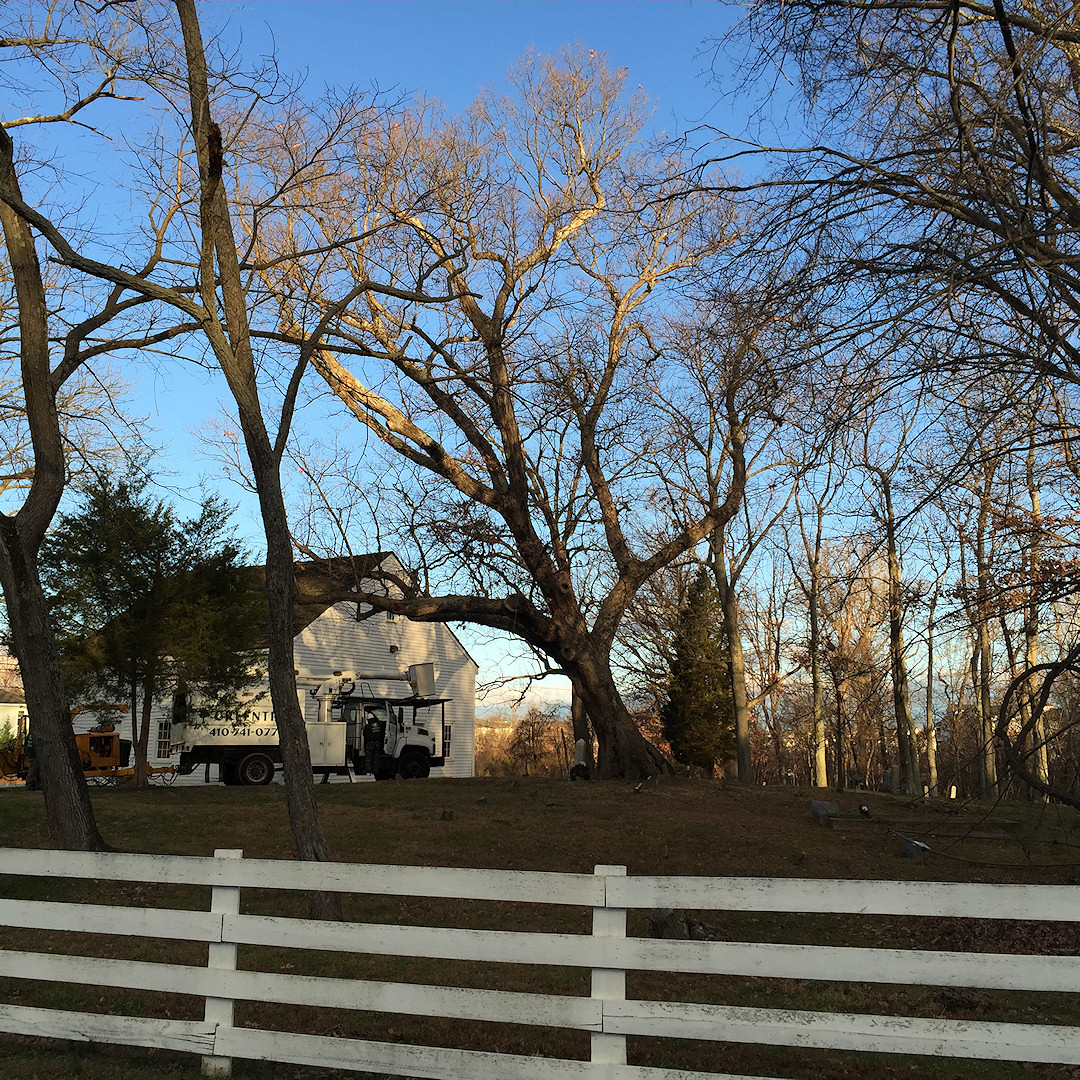
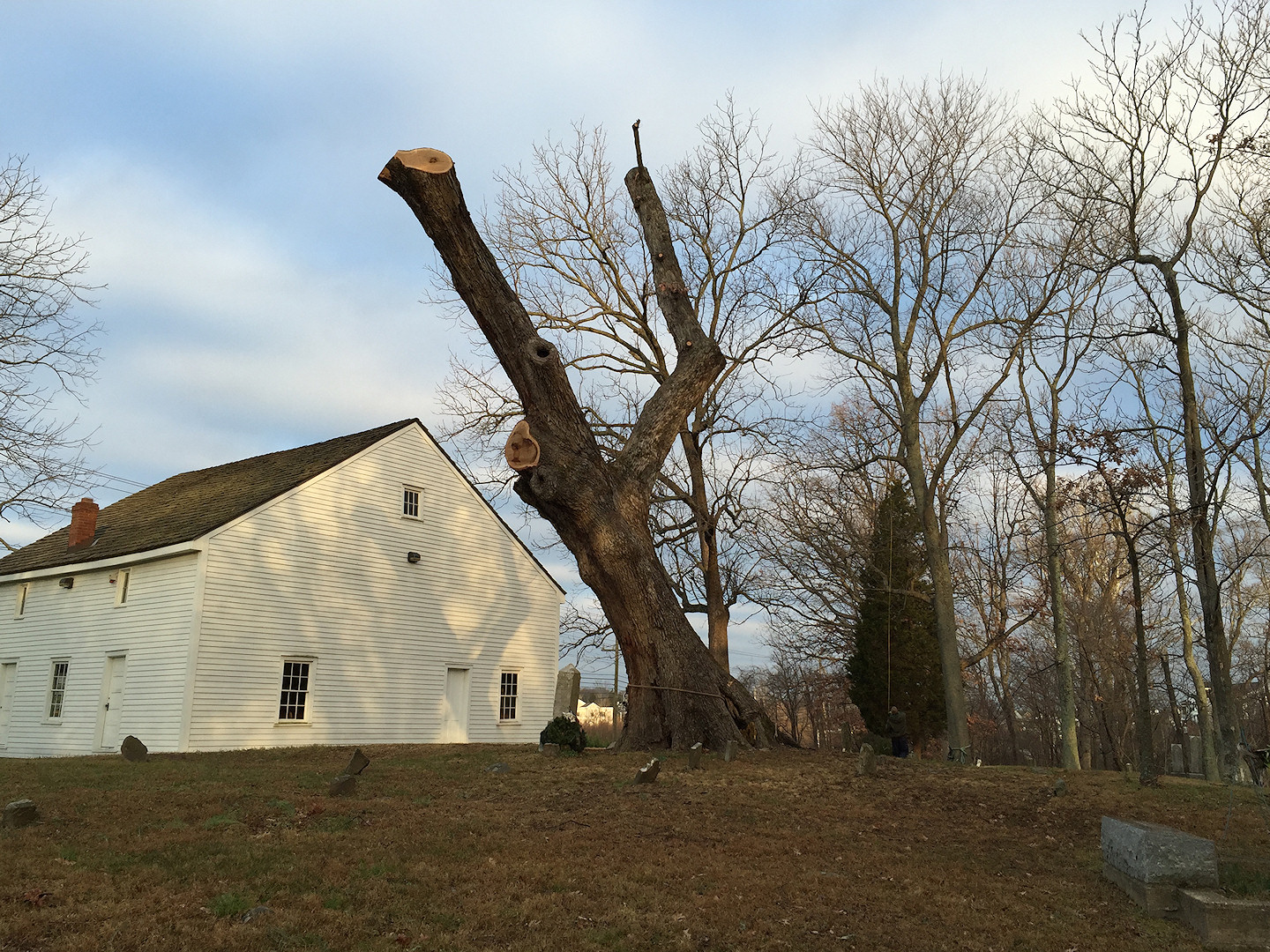
This was the issue:

1A closer look at it:

See that tombstone on the left?  Rotting oak tree, leaning toward the cemetery. That’s the issue. Trees in a graveyard cause problems. They drop seeds. Other trees grow. The roots can disturb the soil, topple gravestones. Or if the tree falls, the roots can disturb gravesites, and that brings on a plethora of legal issues.

2

The tree also was pretty close to a historic building. That’s the Meetinghouse at Frying Pan Farm Park, and the location tied in to another problem: It was a historic tree that was alive during the Civil War. Why is that a big deal? Because most trees in areas where troops camped were cut down to provide firewood, fence lines, roads, coffins, etc. Frying Pan Farm Park Manager and Historian Yvonne Johnson said J.E.B. Stuart’s 1,600 troops camped at the Frying Pan Meeting House for several days after Second Manassas, and “if there was a tree big enough to provide decent shade for the soldiers, it tended to be saved.” But most trees near a camp were felled.

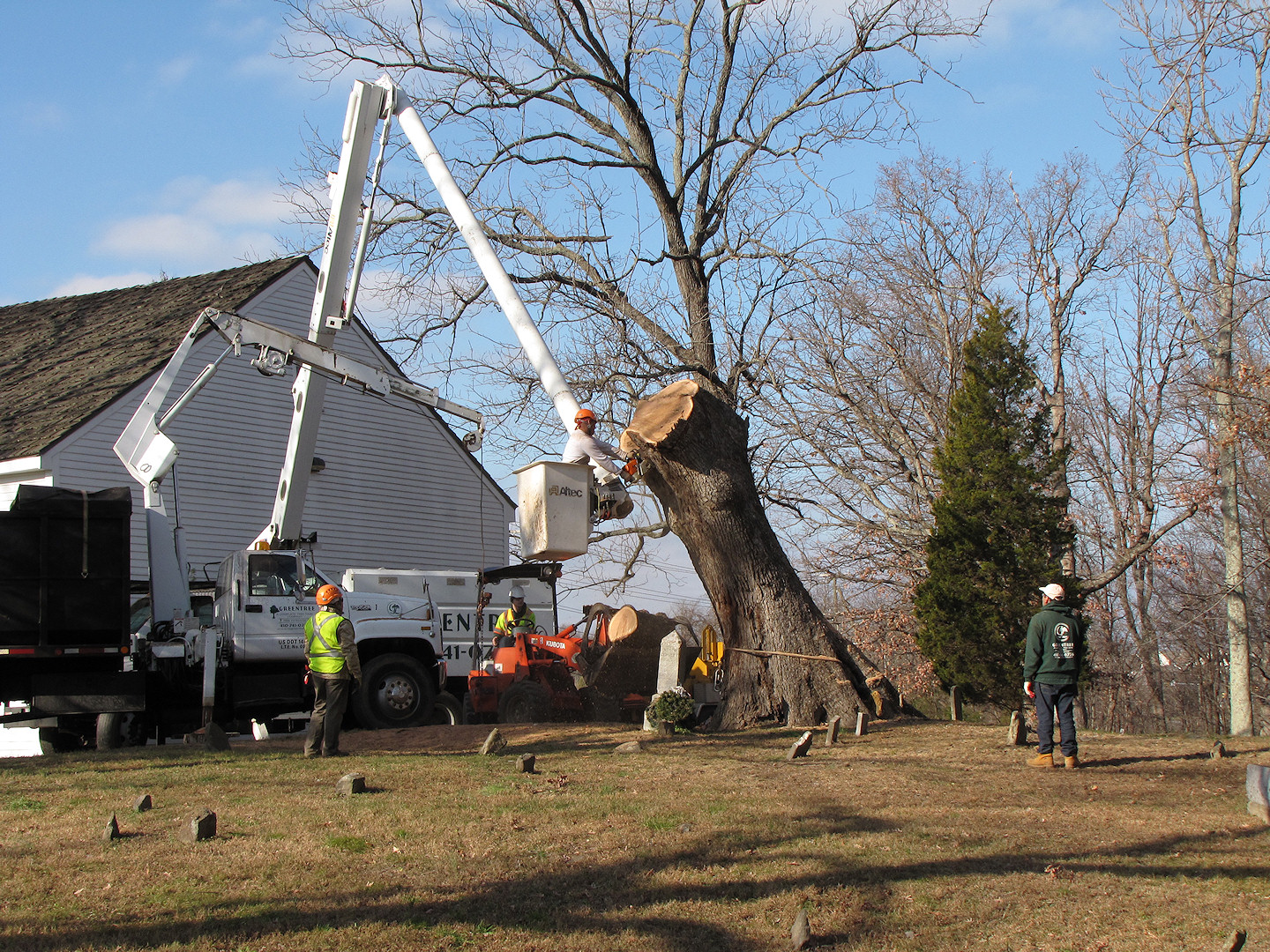
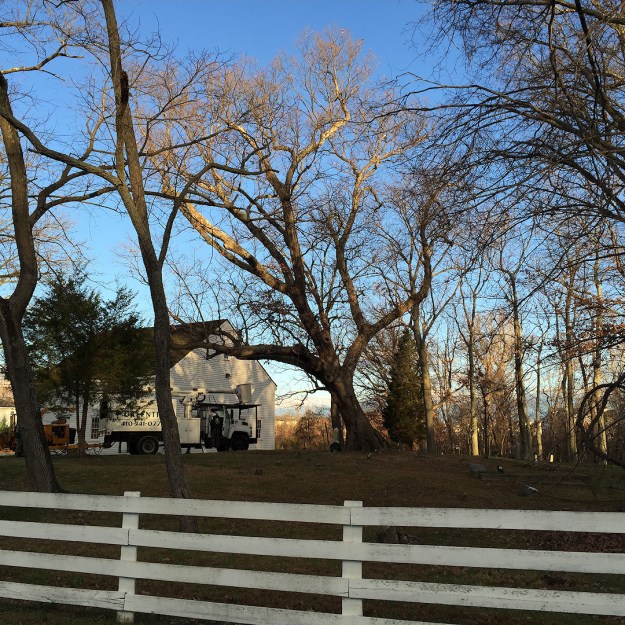
Step by step:

3

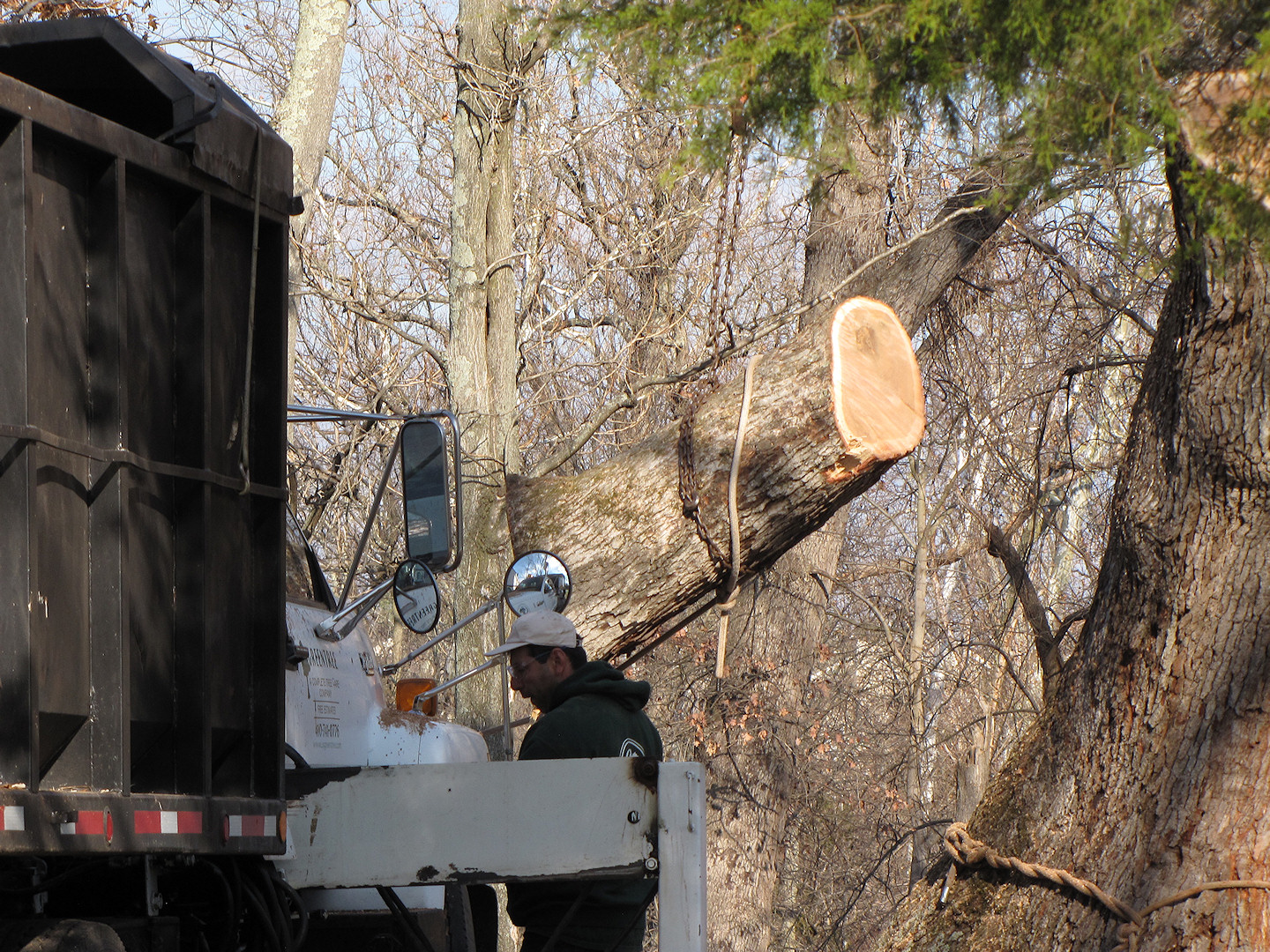
Limb by Limb:

4

Piece by piece:

5

Chunk by chunk:

6

The reason for this: the tree was rotting. Johnson said the base of the tree was so hollow that the age of the tree could not be determined. There weren’t enough rings to count.
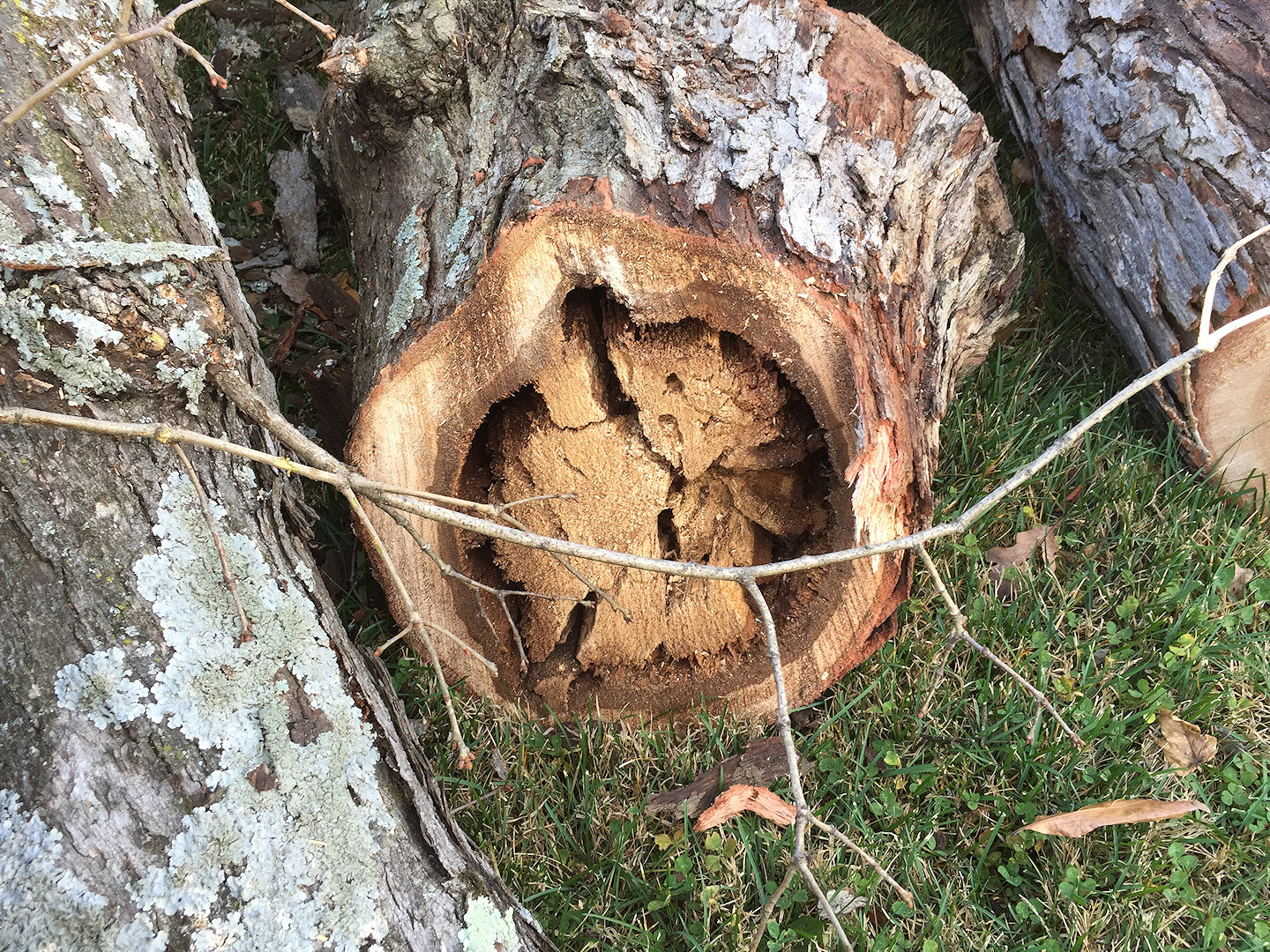
7

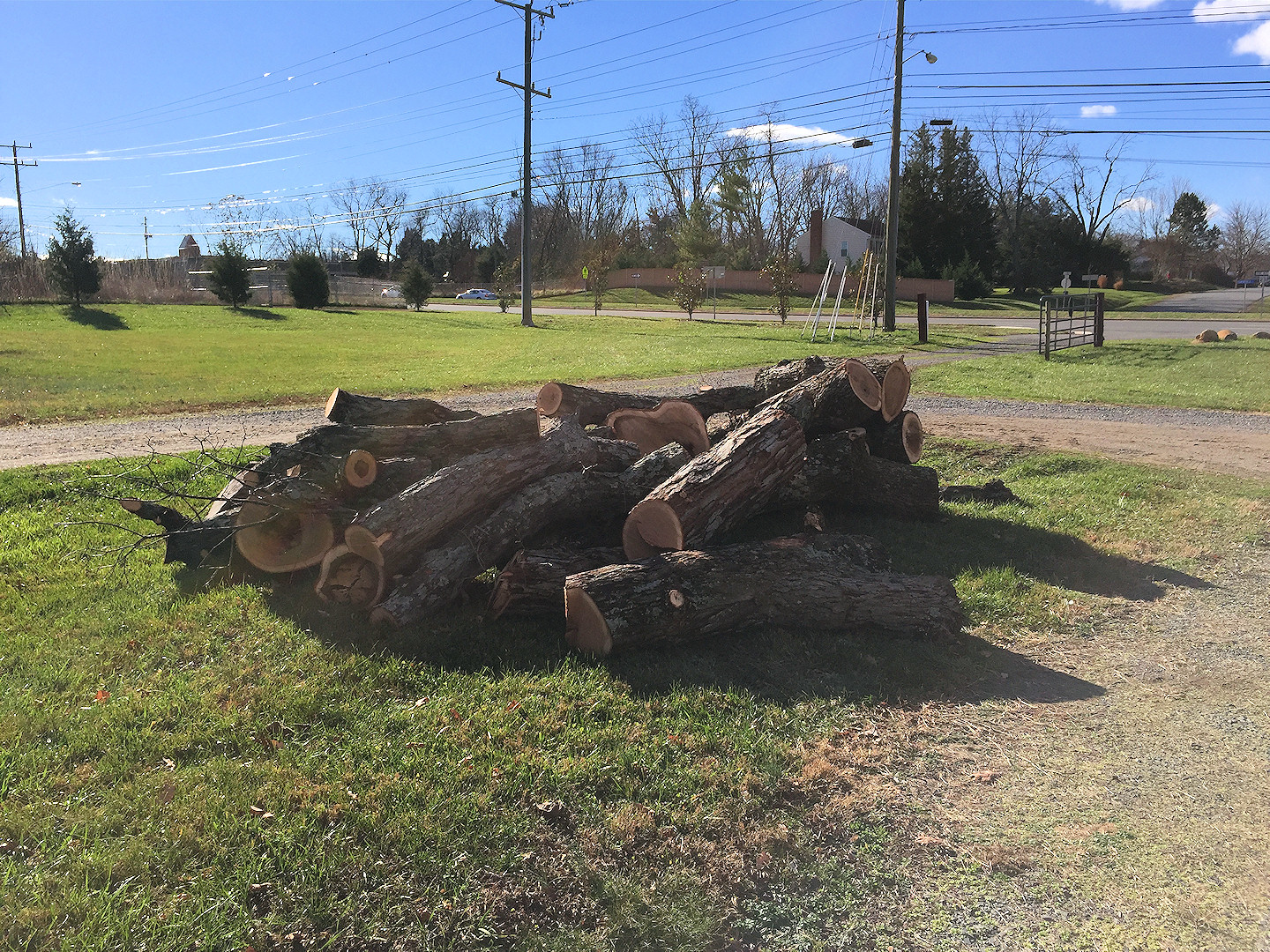
The result: Reusable wood.

8

Nearing the end:

9a

Done carefully, the tombstone is undisturbed:

10

“In the old days, the first parks were cemeteries,” Johnson said. “That’s where you went on Sunday afternoon. You went to visit Uncle Joe at the cemetery because it was a parklike setting and you’d have a picnic. It was a very positive family activity to go visit the ancestors.” Johnson says she’s even seen raised gravestones that served as picnic tables.

When all is done:
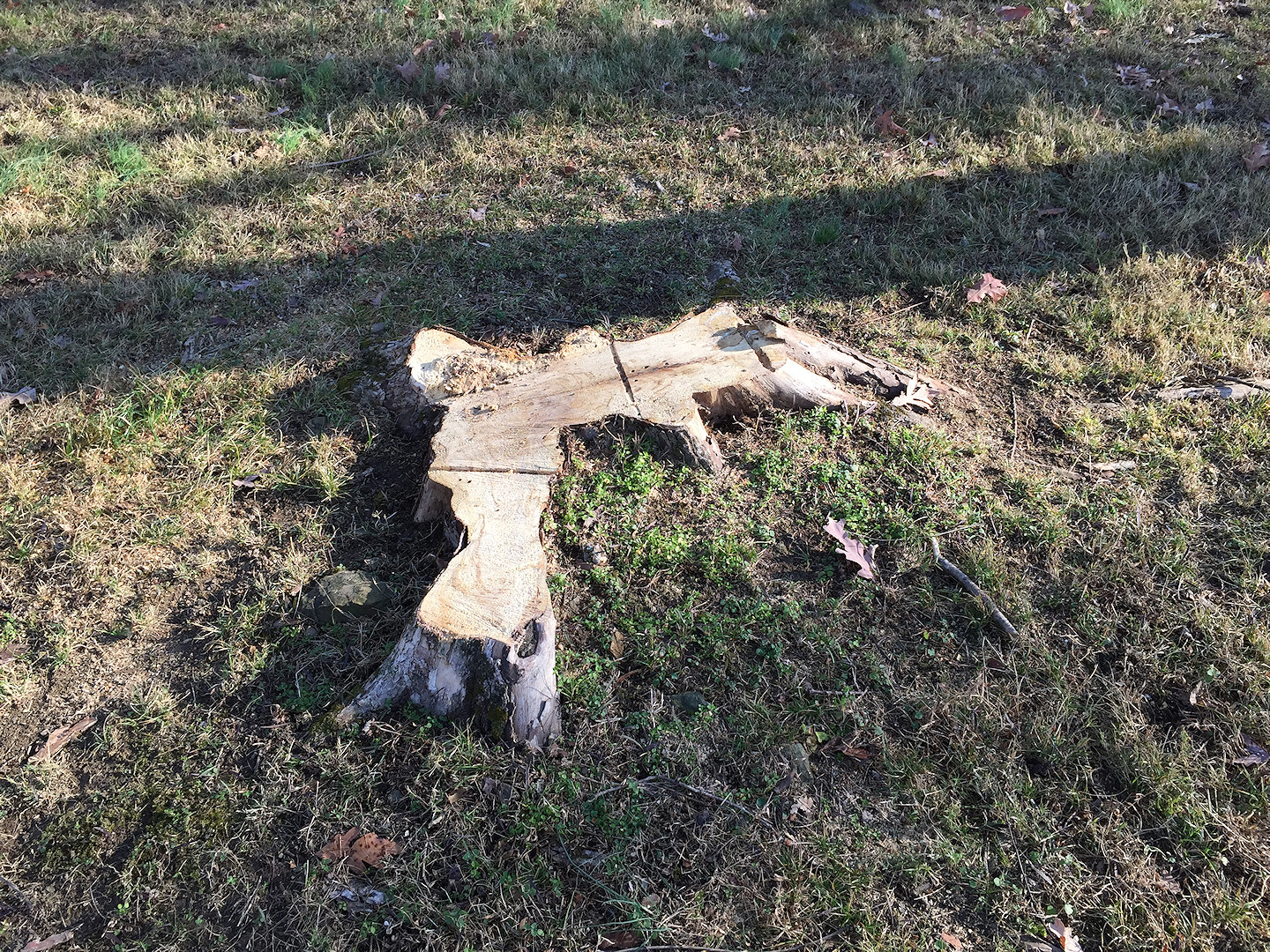
11

The tree was gone. The Meeting House was safe. The cemetery’s stones were undisturbed. It took two and a-half days of careful work by Park Authority maintenance crews to remove the tree and protect the site.

The crew:

12


Author David Ochs is the Manager of Stewardship Communications for the Resource Management Division of the Fairfax County Park Authority.  Photos courtesy of Yvonne Johnson and Martin Graves.