
The saying is well-known: “Leaves of three, let it be.” But when it comes to poison ivy (Toxicodendron radicans), this simple warning barely scratches the surface of a complex plant. For many, poison ivy is simply a source of misery; its urushiol oil causes intense itching. While it is undoubtedly tricky for people, poison ivy is not just a nuisance. It plays a valuable role in its ecosystem by providing food and habitat for wildlife.
How can we safely coexist with this irritating yet essential native plant? This post discusses how to accurately identify poison ivy, examines common lookalikes, reveals a natural remedy that often grows nearby, and explores why this notorious plant serves as an ecological ally.
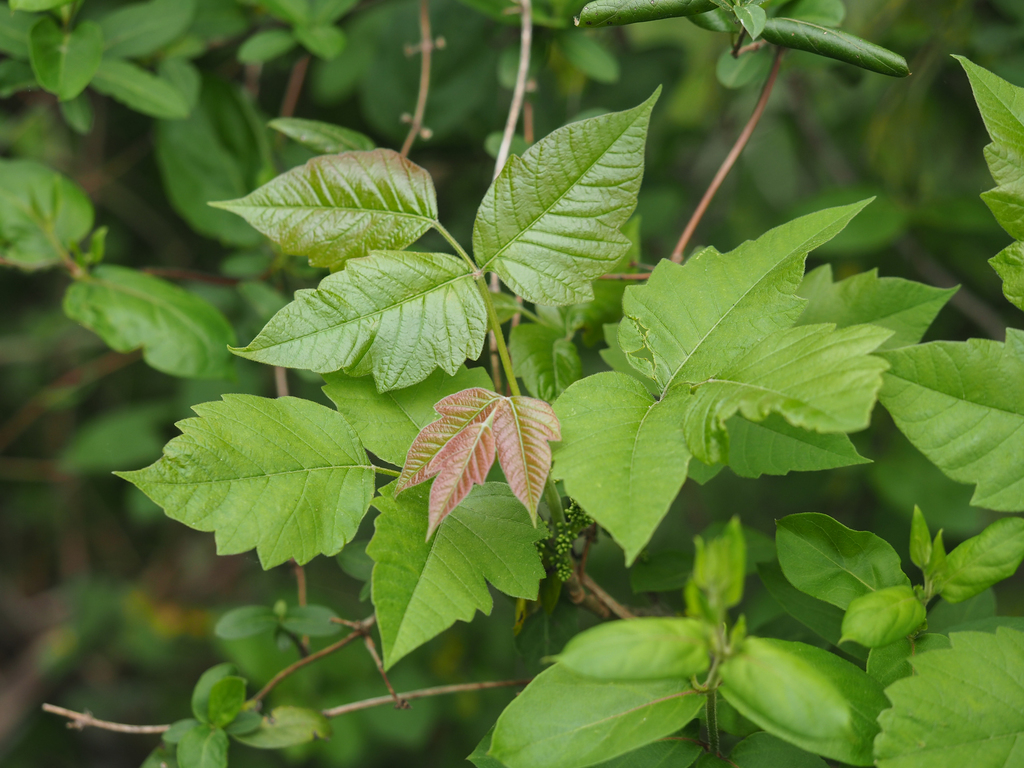
Learn how to identify poison ivy
The common rhyme about poison ivy is a helpful starting point, but it is overly simplistic. While poison ivy typically has three leaflets, this can vary. The plant takes on different forms throughout its life cycle, according to the U.S. Department of Agriculture Forest Service. It can grow as a shrub, a ground vine or an aerial vine, often featuring hairy, reddish aerial roots visible on tree trunks.
Key identification features include:
- Leaflets in groups of three: Each leaf is composed of three leaflets. The center leaflet is attached to a longer stem, or petiole, than the two side leaflets.
- Variable edges: Leaflet edges can be smooth, lobed or toothed — and sometimes all three variations appear on the same plant.
- Seasonal color change: According to the Centers for Disease Control and Prevention, poison ivy’s leaves change color with the season. In spring, they are often reddish; in summer, green; and in fall, they turn bright red, orange or yellow.
- The “mitten” shape: Occasionally, leaflets have a distinctive indentation, resembling a “mitten” or thumb shape.
The harmless imposters
Several common plants mimic poison ivy’s “leaves of three” pattern, which can complicate identification. Fortunately, these lookalikes are harmless:
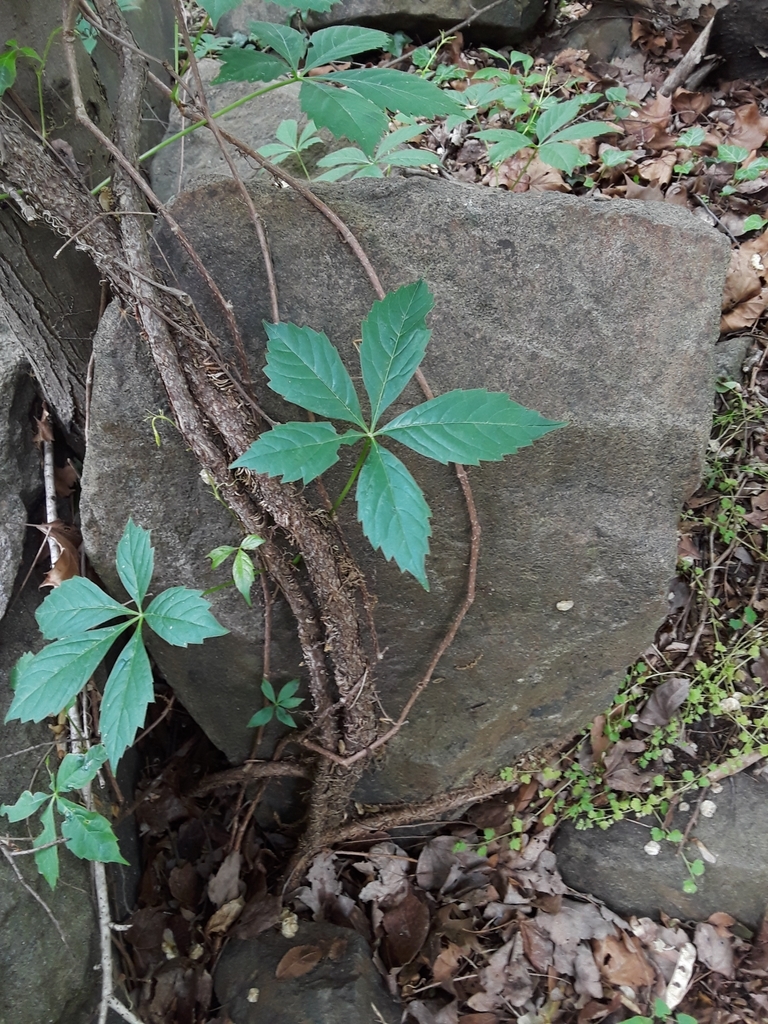
- Virginia creeper (Parthenocissus quinquefolia): This is the most frequent source of confusion. According to the Missouri Botanical Garden, Virginia creeper is usually easy to distinguish by its five leaflets, arranged in a fan shape, rather than three.
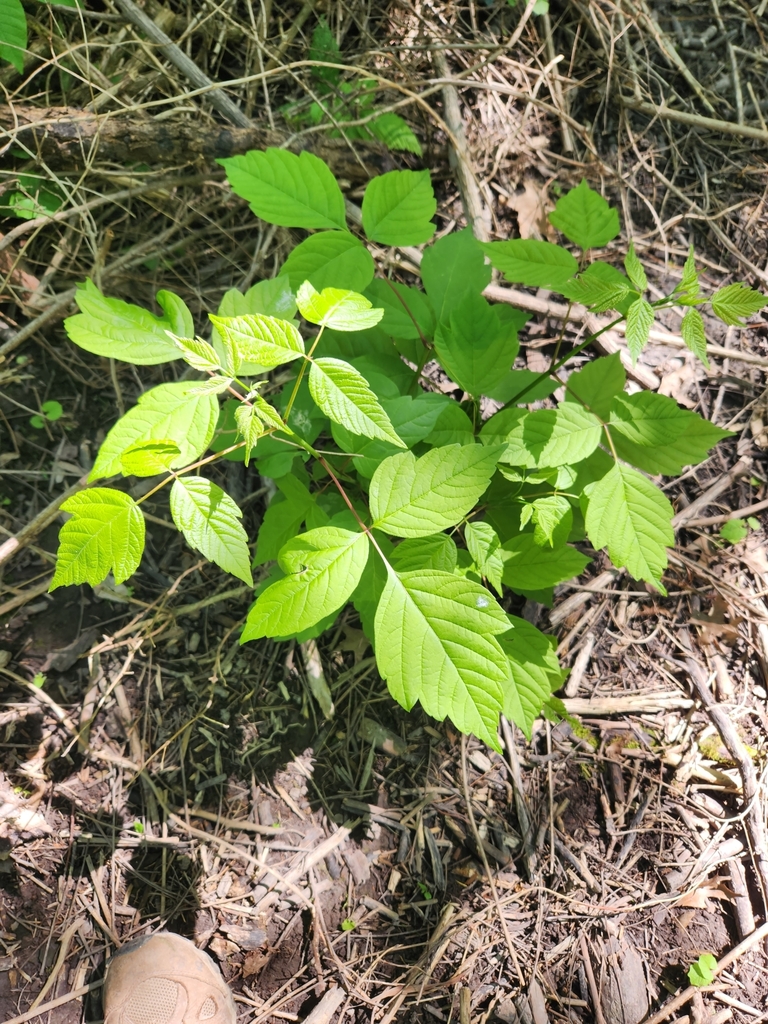
- Box elder (Acer negundo): Young box elder seedlings can resemble poison ivy. According to the Penn State Cooperative Extension, the key difference is the arrangement of the leaflets — box elder leaflets grow opposite each other on the main stem, while poison ivy’s are arranged alternately.
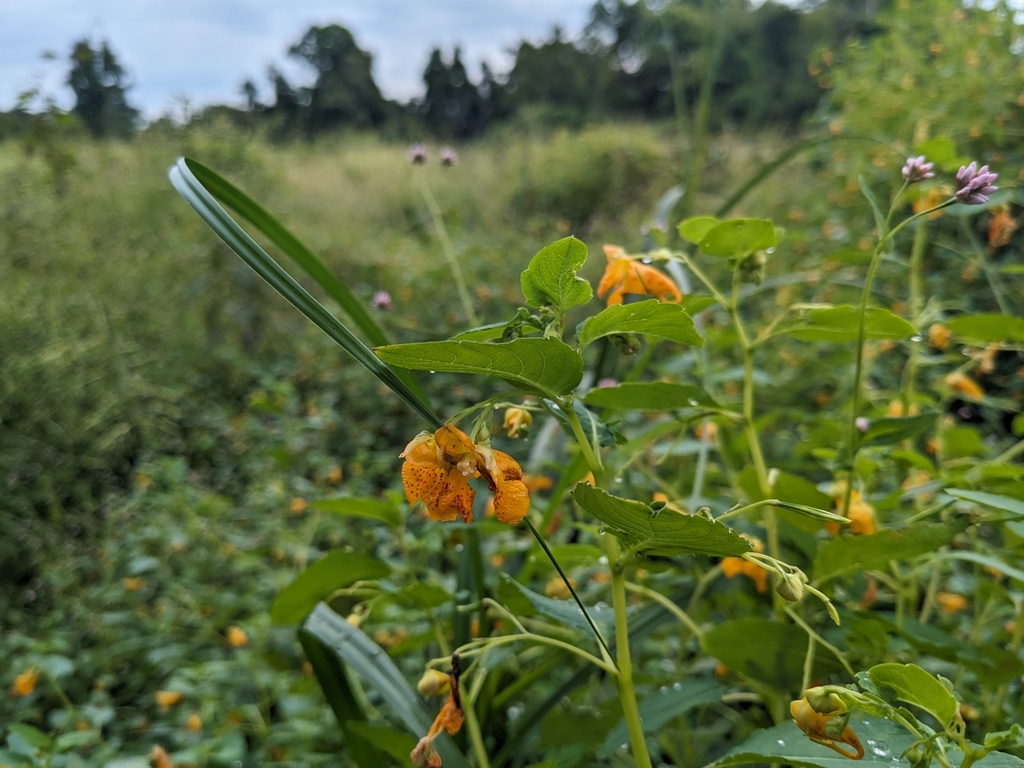
Jewelweed
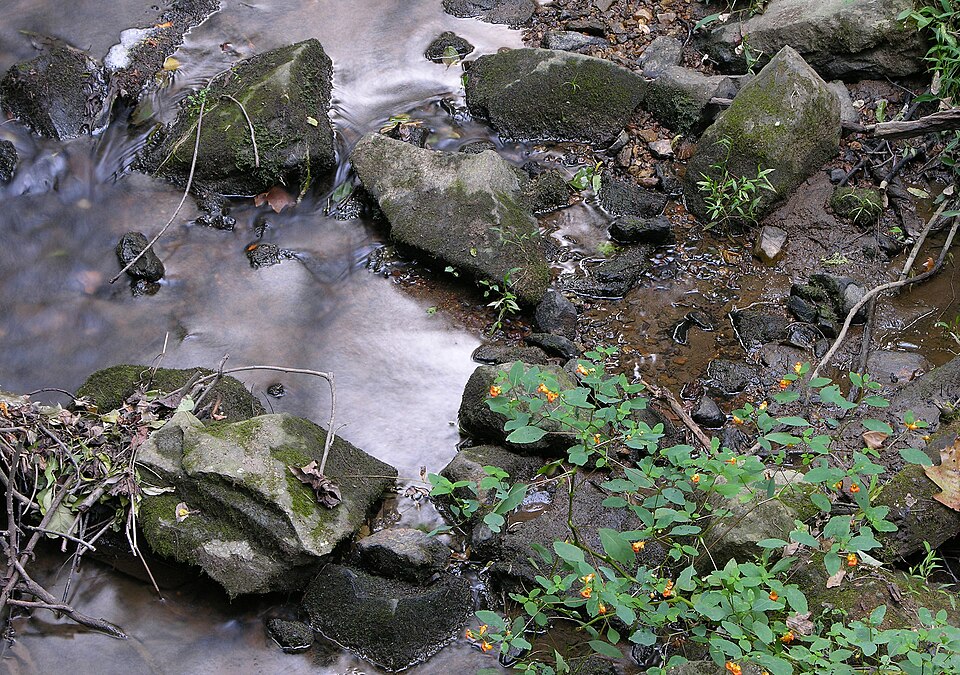
If you encounter poison ivy, relief may be closer than you think. Jewelweed (Impatiens capensis), a common wildflower, often grows near poison ivy in wet, shady areas, according to the Virginia Museum of Natural History.
Traditional and folk medicine practices suggest crushing the jewelweed stem and rubbing its clear sap on the affected area immediately after contact to potentially neutralize the urushiol oil. Peer-reviewed studies support that fresh jewelweed can prevent a rash from forming after exposure, likely because of its saponins — natural compounds that act like soap. However, research also shows that simple soap and water is even more effective, emphasizing that quick removal of the oil is the most important step in avoiding a reaction.
An ecological ally
Though poison ivy often causes discomfort for humans, it plays a vital role in its ecosystem. Its leaves and waxy white fruit serve as important food sources for many animals, including deer, rabbits and dozens of bird species, which are unaffected by urushiol, according to the CDC.
Additionally, as a climbing vine, poison ivy provides essential cover and nesting material for ground-dwelling wildlife and helps stabilize soil to prevent erosion. By recognizing its role in nature’s delicate balance, we can learn to appreciate this valuable — if occasionally troubling — member of the plant community.
Keoni Pasik is a university intern with the Fairfax County Park Authority.
 Our Stories and Perspectives